

Nine in 10 people in Turkey were unaware that the country is set to host the UN Climate Change Conference (COP31) climate summit in November 2026, according to a survey by KONDA Research and Consultancy.
Only 10% of respondents said they had heard that COP31 would be held in Turkey, while just 5% said they knew what it was.
The summit will be held in Antalya between Nov 9 and 20.
The “COP31 and Energy” survey was conducted through phone interviews with 2,568 people who voluntarily participated in KONDA’s panel between Sep 10 and 14.
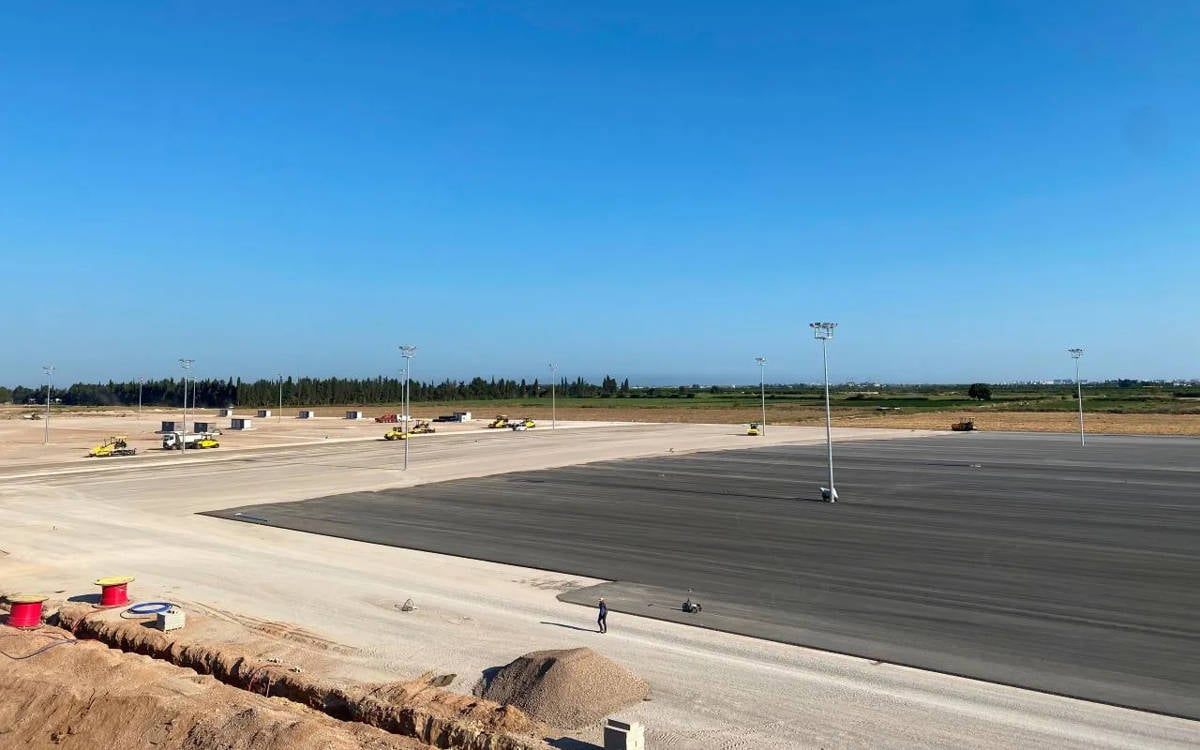
Agricultural land in Antalya paved to make parking lots for COP31 summit
17 August 2026
Support for renewable energy
The findings showed broad public support for renewable energy. Some 77% of respondents said Turkey should prioritize and accelerate investments in solar and wind power, while 78% said no additional coal mines should be opened.
Half of respondents said the construction of new coal-fired power plants would conflict with Turkey’s goal of demonstrating leadership at COP31.
Asked which energy sources they preferred for electricity generation, 80% chose solar and 63% chose wind. Only 3% favored coal-fired electricity.
Solar and wind facilities also received the highest levels of support when respondents were asked which types of power plants they would accept near where they live. Nuclear plants faced the strongest opposition, at 68%, followed by coal-fired plants at 56%.
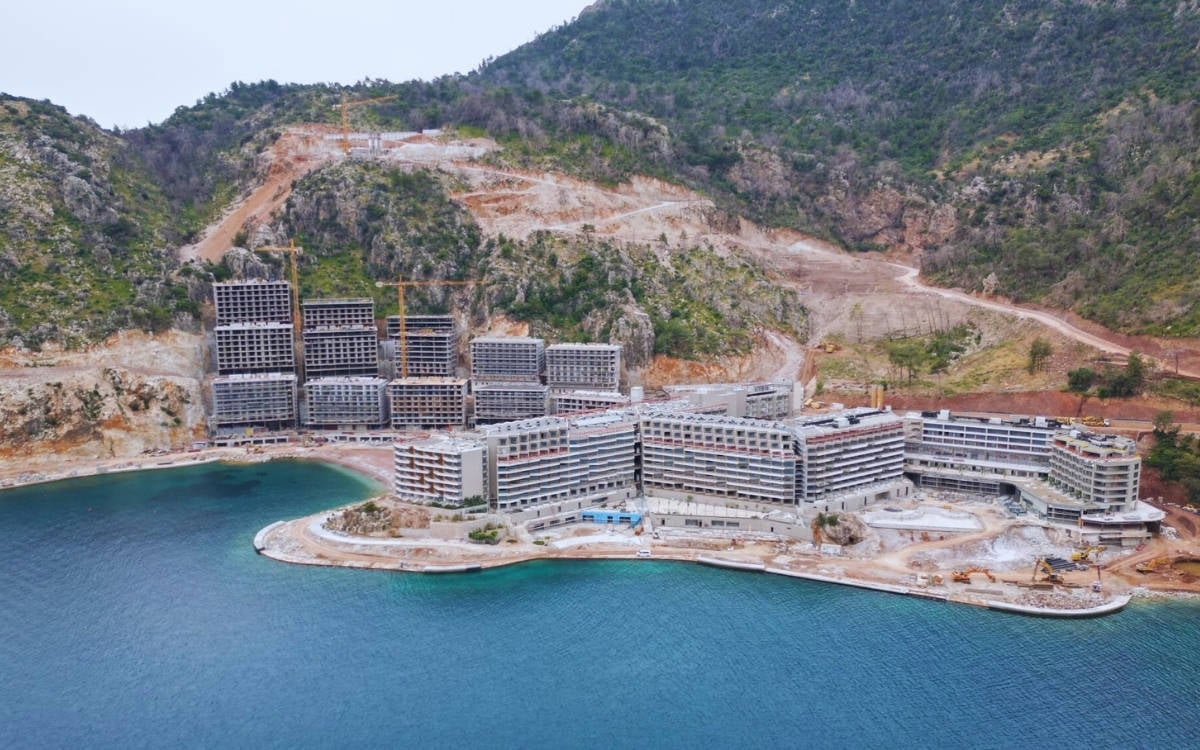
‘Staggering hypocrisy’: Activists condemn Sinpaş Holding’s ‘climate supporter’ role at COP31
14 October 2026
Views on climate crisis
The survey found that 79% of respondents believed climate change was caused by human activity, while 17% described it as a natural process.
Some 71% said they were worried or very worried about climate change, up 7 percentage points from a survey conducted in November 2025. However, the share describing themselves as “very worried” fell from 21% to 16% over the same period.
Respondents most commonly associated climate change with air pollution, cited by 72%, followed by an increase in disasters at 69% and more unusual seasonal events at 56%.
COP31 and Climate Justice
27 October 2026
Risk perception
Asked about risks they considered most likely over the next two years, 44% cited harm from disasters such as wildfires, floods and drought. Water shortages were cited by 37%, health problems by 34%, and unusual rainfall, snow or hail by 30%.
Scientists were the most trusted group on climate action, cited by 54% of respondents. Trust in scientists was about 2 percentage points higher than in 2022. Research institutions ranked second at 11%.
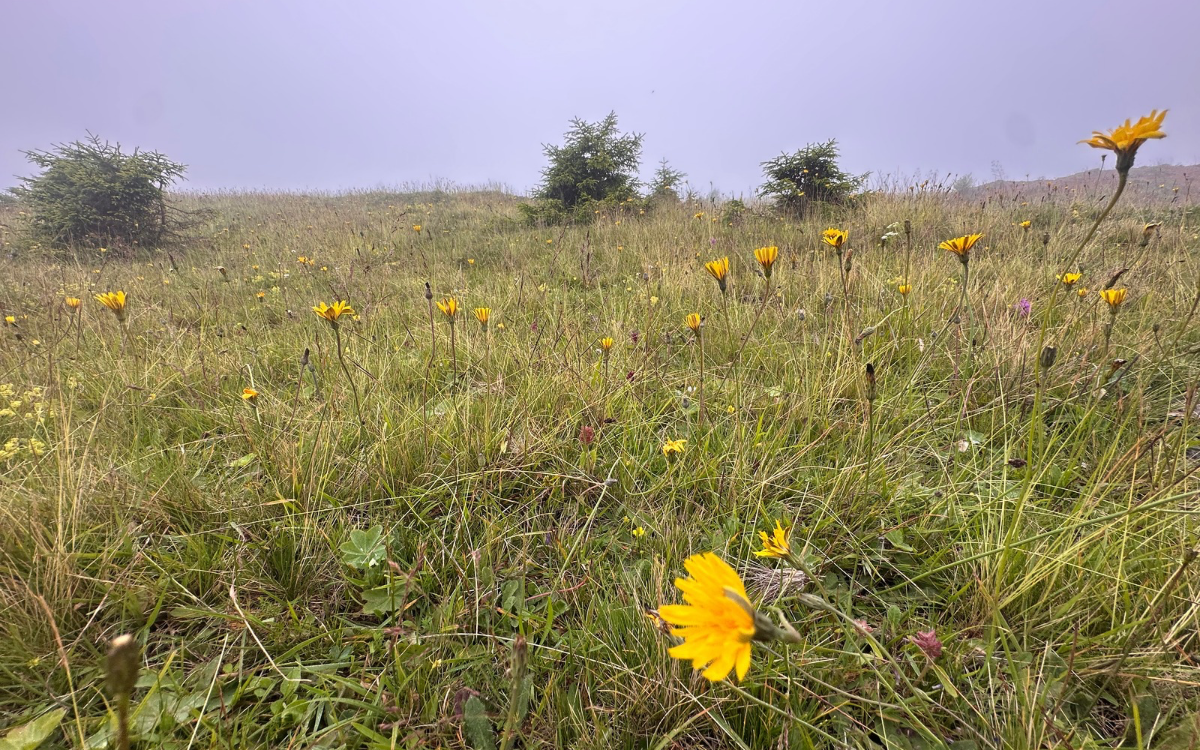
‘Climate crisis will not turn Black Sea region into paradise’
4 November 2026
Confidence in government policies
The survey also found limited confidence in Turkey’s climate policies. Only 13% said the country was making “sufficient effort” to address climate change. Some 43% described its efforts as insufficient, while 44% said Turkey was making no effort at all.
The share saying Turkey was making no effort fell from 56% in 2023 to 44% in 2026. Over the same period, the proportion saying the country was taking action but not doing enough rose from 33% to 43%.
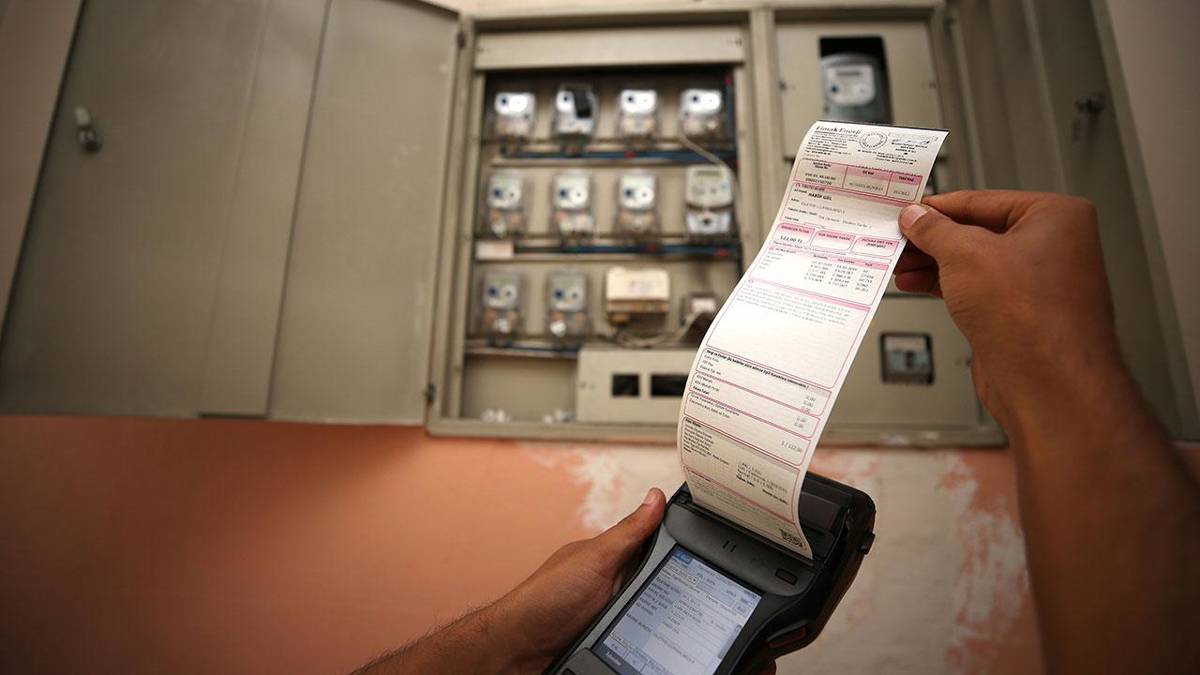
Towards COP31: Right to cooling under the shadow of energy poverty
26 September 2026
When asked what outcomes would make them more likely to support Turkey’s climate policies, 57% cited cleaner air and public health benefits. Lower energy bills were cited by 36%, reduced dependence on foreign energy by 30%, new jobs by 23% and greater foreign policy influence by 11%.
On priorities for COP31, 45% said Turkey should focus on accelerating the transition to renewable energy. Another 35% prioritized stronger capacity to adapt to floods, drought and wildfires.
A timetable for phasing out fossil fuels was cited by 12%, while 8% said access to and support for climate finance should be a priority. (VK)
Source: BIANET