
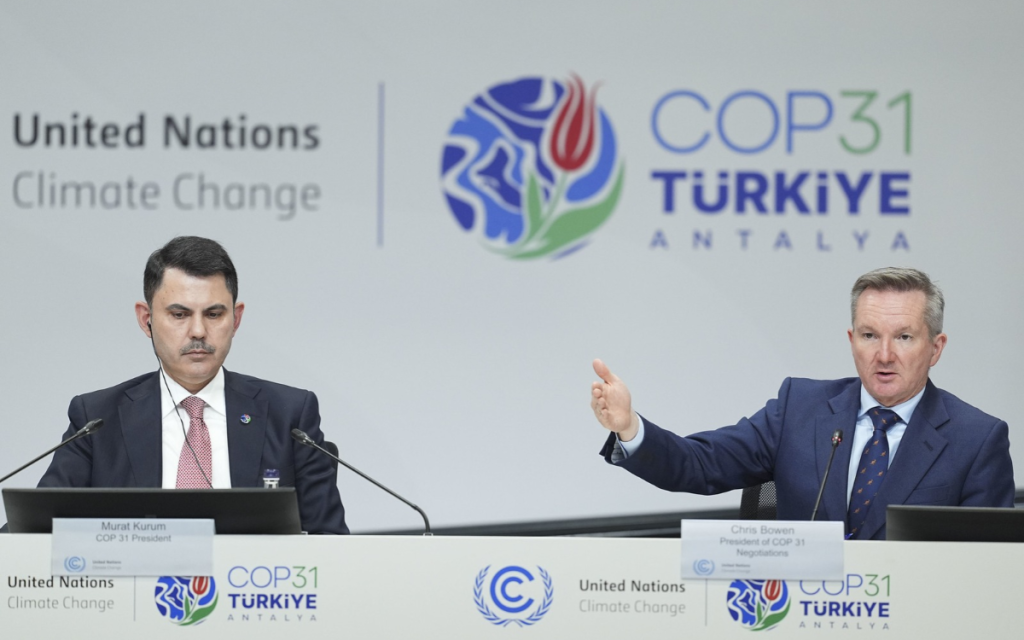
The COP31 climate summit in Antalya, Turkey, has entered its final day, with the second draft of the proposed agreement, released yesterday afternoon (Nov 19), drawing criticism for being even weaker than the first.
It remains unclear which provisions of the draft framework will make it into the summit’s final decision. The final text is expected to be released today unless disagreements prolong the negotiations.
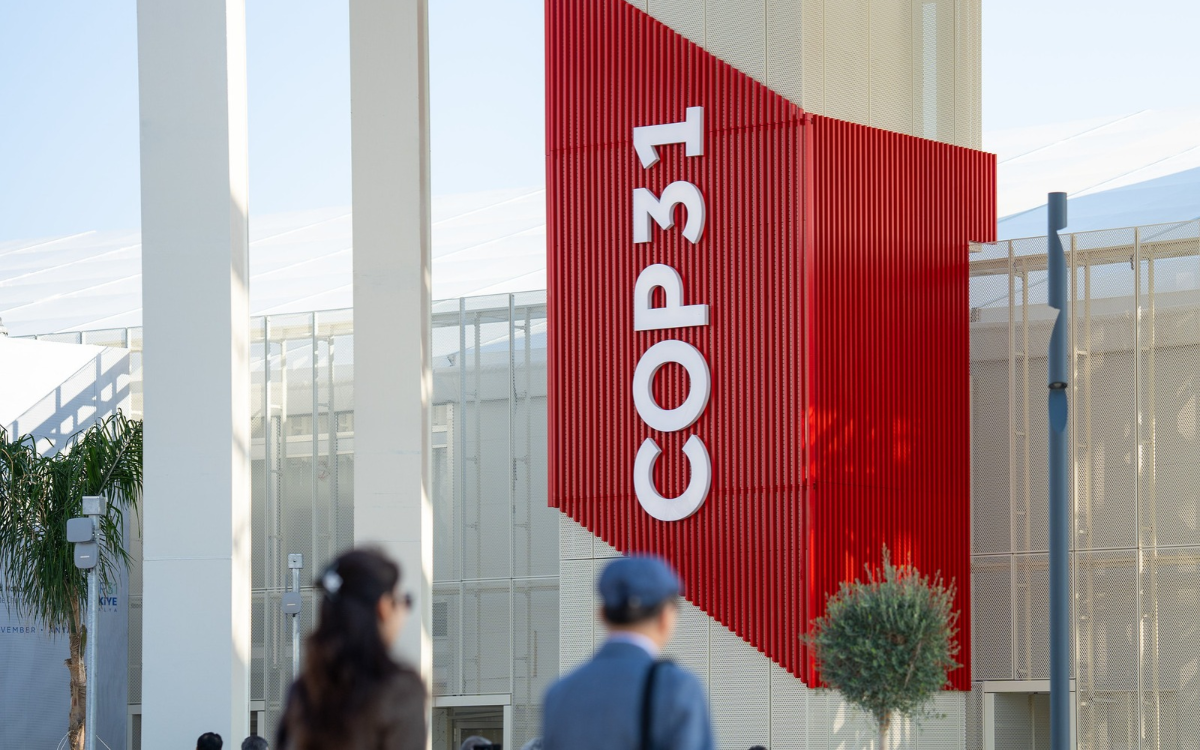
Tensions rise at COP31
19 November 2026
No mention of fossil fuels in draft
The initial draft, which contained 144 provisions across 18 pages, has been reduced to 80 provisions across nine pages.
The second draft contains no reference to transitioning away from fossil fuels, including oil, coal and gas, which are driving the climate crisis. The word “fossil” does not appear anywhere in the text.
The draft acknowledges that 305 billion US dollars a year is needed for climate adaptation finance. However, it does not meet developing countries’ demand for a commitment to triple funding. The European Union is reportedly among the main obstacles to reaching an agreement on this issue.
The second draft also weakens language concerning the goal of limiting the rise in global average surface temperatures to 1.5°C, a key objective of the Paris Agreement that scientists have emphasized as critical.
Global average surface temperatures are now widely expected to temporarily exceed 1.5°C above preindustrial levels. However, the second draft removes the emphasis on bringing warming back below that threshold within this century.
Greenpeace: “Contains unacceptable elements”
Jasper Inventor, head of Greenpeace’s COP31 delegation, criticized the second draft.
“This text contains some unacceptable elements. Yes, it acknowledges the overshoot of 1.5°C in average surface temperature increases, but it leaves open the question of how we will keep the 1.5°C goal alive. It dangerously adds carbon capture and storage as an option, even though such a goal has never been part of the United Nations Framework Convention on Climate Change (UNFCCC) process. At a time when climate impacts are rapidly worsening, any step that allows the fossil fuel industry to continue polluting the climate would constitute a serious setback.”
Inventor also noted that a decision on tripling adaptation finance commitments had been postponed.
“Developing countries and communities need predictable financing today, with a clear starting point, implementation stages and accountability,” Inventor said.
İklim Ağı in Turkey also criticize draft
The Climate Network (İklim Ağı), a coalition of 17 civil society organizations in Turkey, also criticized the second draft.
“While the draft framework highlights the risks posed by exceeding the critical 1.5°C threshold, the complete absence of any reference to phasing out fossil fuels, which is essential to eliminating those risks, represents a serious setback for climate negotiations.”
The network also criticized a target retained in the second draft to increase electricity’s share of final energy consumption to 35% by 2035.
It warned that the target “contains no guarantee that electricity will come from renewable sources and therefore risks perpetuating the existing energy system rather than accelerating the transition away from fossil fuels.”
“Electrification also needs to be done properly”
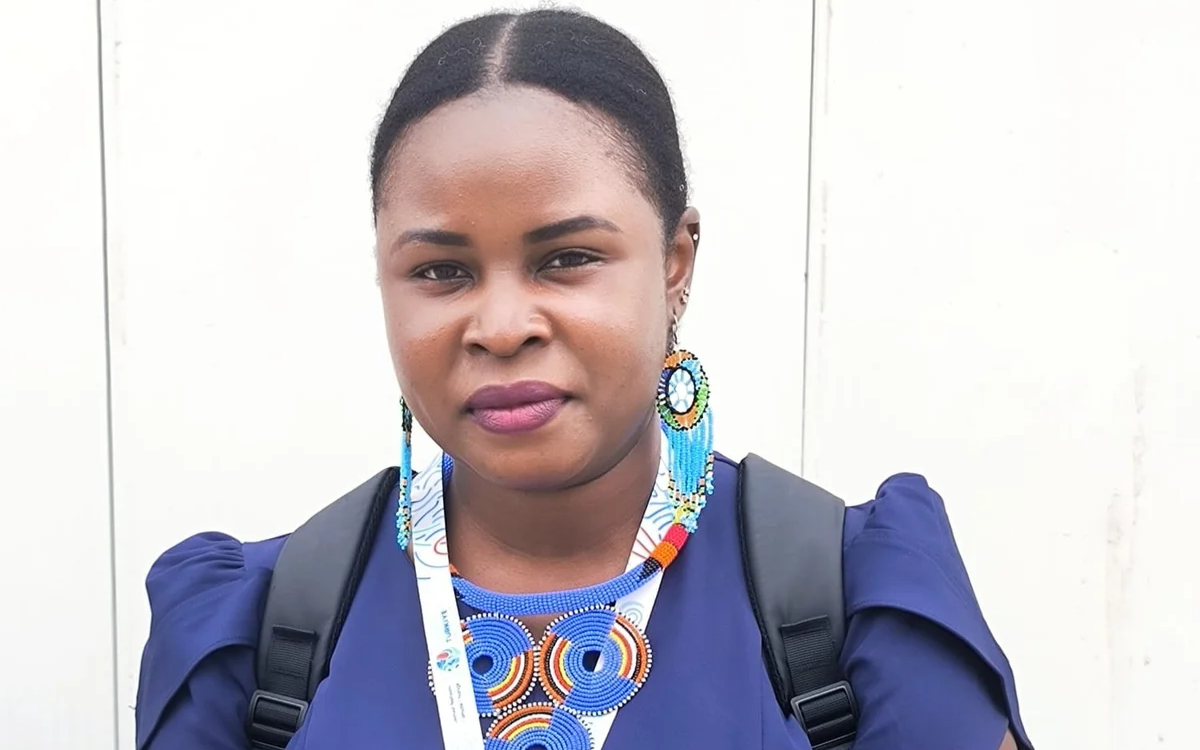
Janet Milongo, senior energy transition expert at Climate Action Network International, said the biggest shortcoming of the electrification target proposed by Turkey ahead of COP31 was its failure to explicitly prioritize renewable energy.
“This is also something that concerns us as international civil society, because we are calling for electrification based on renewable sources and electrification that genuinely meets people’s needs. We still live in a world where hundreds of thousands of people lack access to basic energy or where the type of energy available to them is inadequate for modern life. So electrification would ideally be a good thing, but just as the transition to renewable energy needs to be done properly, electrification itself also needs to be done properly.”
The electrification target in the draft does not specify which energy sources should be used to generate electricity. This raises concerns that it could open the door to nuclear energy, natural gas and even coal.
Milongo also questioned Turkey’s decision to bring its electrification commitment into the negotiations.
“I think the real question is what the purpose is of bringing this into the negotiations when so many countries have already signed such a commitment.”
Saudi Arabia accused of blocking IPCC budget
Other developments during the negotiations have also raised concerns about obstacles to climate action.
Climate Analytics, a research organization specializing in climate science and policy, said Saudi Arabia had blocked approval of next year’s budget for the Intergovernmental Panel on Climate Change (IPCC), the UN body responsible for assessing the scientific basis of climate change.
According to Climate Analytics, India supported Saudi Arabia’s position.
France also came under criticism over climate finance. The country, accused of obstructing progress on financing, received the Fossil of the Day Award yesterday evening.
The outcome of the negotiations over the second draft is expected to become clear today. However, the summit could be extended if countries fail to reach an agreement.
This article was translated into English using an AI tool.
Source: BIANET