

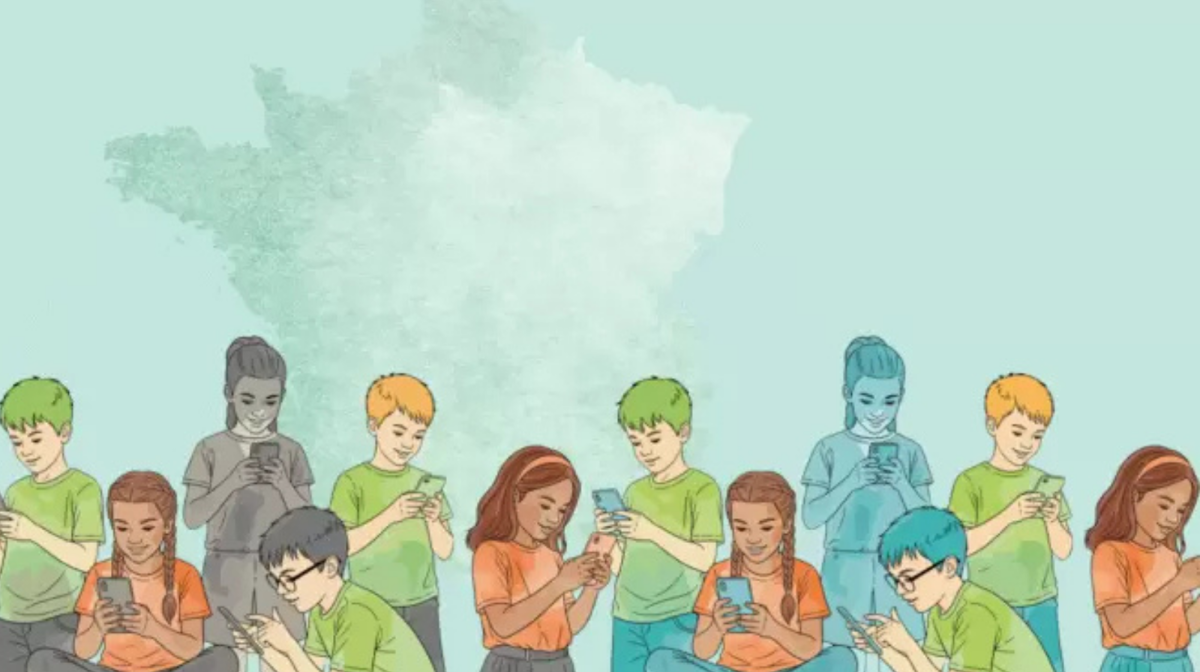
The parliament passed an omnibus law on Apr 22 that includes provisions prohibiting social media providers from offering services to children who have not completed the age of 15.
The legislation, which amends the Social Services Law and various other laws, requires platforms to implement age verification measures and provide differentiated services for users above 15.
Under the new regulations, social network providers must offer parental control tools. These tools will allow parents to supervise account settings, require approval for paid transactions, and monitor usage time. Companies are also mandated to take measures against deceptive advertisements and publish their protection measures on their websites.
Social media ban on children: protection or rights violation?
21 February 2026
The law also sets obligations for game platforms. Platforms will not be allowed to offer unrated games, or they may publish them by classifying them under the highest age category. Foreign-based platforms with more than 100,000 daily accesses from Turkey will be required to appoint a representative in the country.
The Information and Communication Technologies Authority (BTK) will be able to request information from game platforms on their corporate structure and data processing procedures. Platforms that fail to meet their obligations may face administrative fines, and continued violations may lead to bandwidth restrictions.
E-government verification for adults
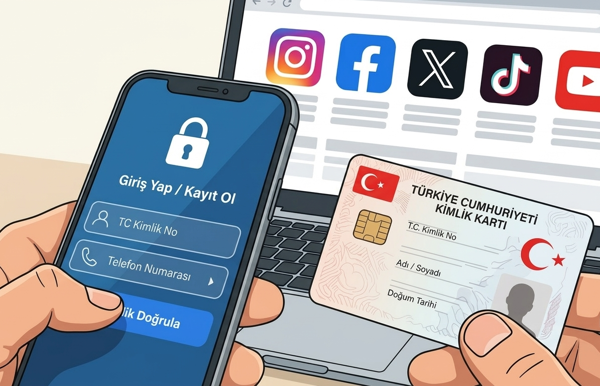
The government is also developing an identity verification system for social media access. Justice Minister Akın Gürlek stated in a televised interview on Apr 21 that users will access platforms via a verification code obtained through the e-Devlet (e-government) portal.
“We are saying that the person using the social media account will definitely be a real person. They will log in with their Turkish ID number. Here, our citizens might think, ‘Will my ID number be given to social media platforms?’ No, there is absolutely no such thing,” the minister said.
Gürlek explained that the system would function as a two-step verification “key model.” He noted that while users must verify their identity, they are not required to use their real names on the platforms. “I can also use a nickname,” he added.
Freedom of expression groups have criticized this plan, raising concerns regarding mass surveillance.
Social media ID verification plan raises mass surveillance concerns
8 April 2026
(VK)
Source: BIANET