
2026-05-25T16:37:22+00:00
Shafaq News- Al-Sulaymaniyah
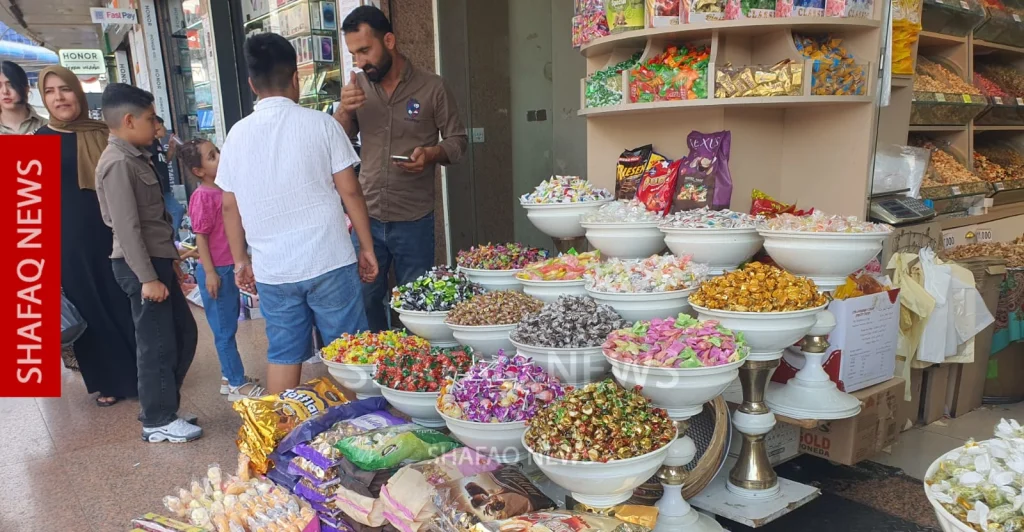
The markets of Al-Sulaymaniyah province, Iraqi Kurdistan Region, are entering Eid al-Adha under visible economic strain, with weaker crowds, slower sales, and rising prices reshaping what is traditionally one of the busiest shopping periods of the year in the Region.
With Eid set to begin on June 27, families have started buying clothes, sweets, and household supplies earlier than usual, yet traders across the city say consumer activity remains significantly below previous years as delayed public-sector salaries continue to drain liquidity from the market. The slowdown reflects a broader squeeze on household spending across the Region, where many families are now prioritizing essentials while scaling back holiday purchases once considered routine.
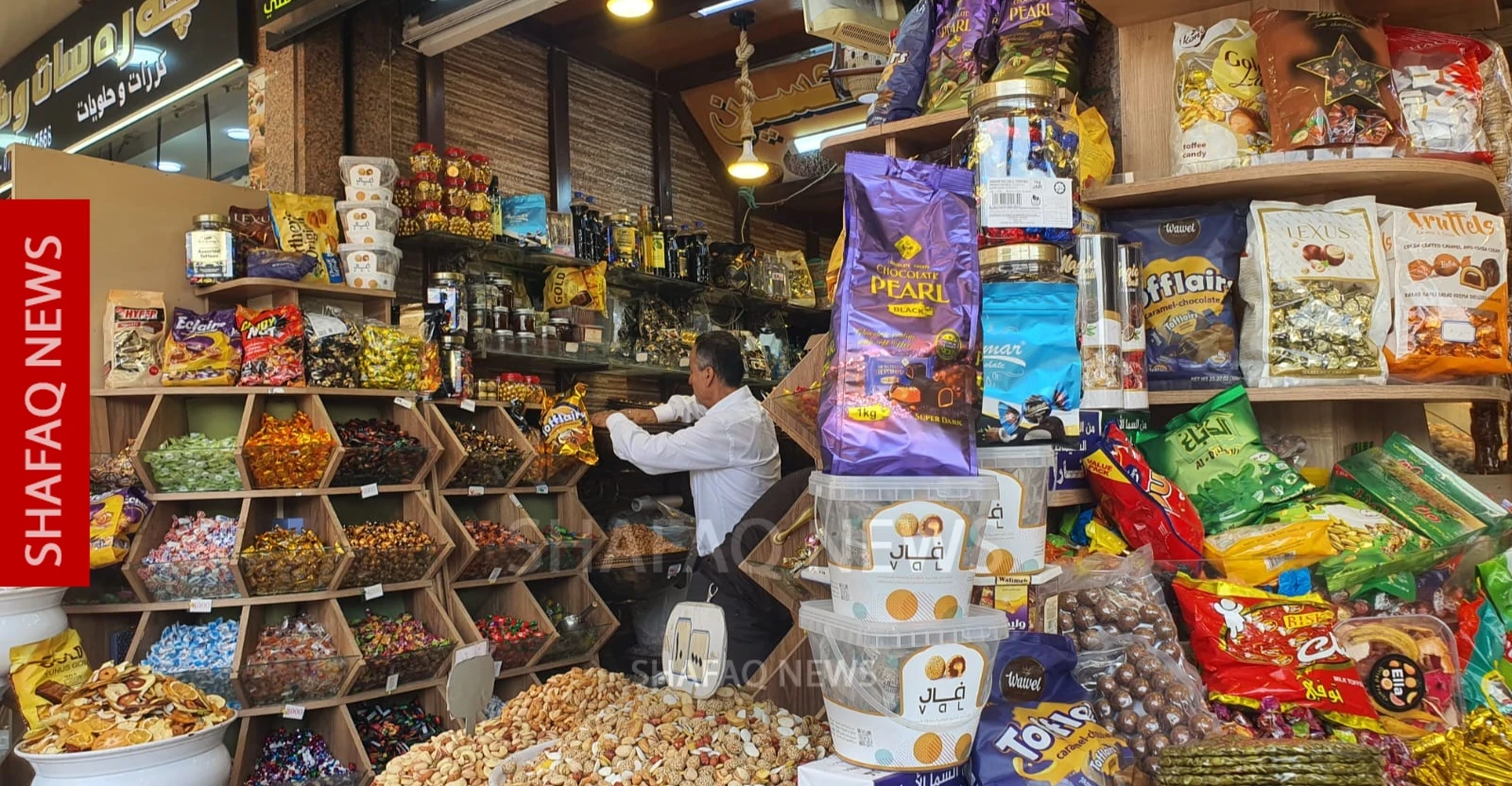
Mariam Mohammed, shopping with her children in central Al-Sulaymaniyah, said the approach of Eid has been accompanied by another wave of price increases. “Some traders raised prices despite the difficult conditions people are already facing,” she told Shafaq News, calling for tighter market oversight during seasonal holidays.
Even so, many families are attempting to preserve the social rituals tied to Eid al-Adha —from children’s clothing and family visits to traditional hospitality— despite mounting financial pressure. “Children’s joy during Eid cannot simply be abandoned,” Mohammed said.
The shift in spending patterns is particularly visible in the city’s clothing markets, where merchants imported new seasonal products ahead of the holiday but encountered subdued demand. Karim Khoshnaw, a local clothing trader, noted that import costs, transportation expenses, taxes, and regional instability had all pushed retail prices higher. “When salaries are delayed and liquidity disappears, people postpone purchases.”
Read more: War fears drive panic buying across Iraqi markets
The pressure is most acute in meat markets, traditionally among the strongest drivers of Eid commerce. In Al-Sulaymaniyah’s butcher markets, demand has weakened despite the approaching holiday, with beef prices ranging between 20,000 and 22,000 dinars ($13.05-$14.45) per kilogram and lamb prices between 24,000 and 25,000 dinars ($15.66-$16.31), roughly 1,500 to 2,000 dinars higher than during Ramadan.
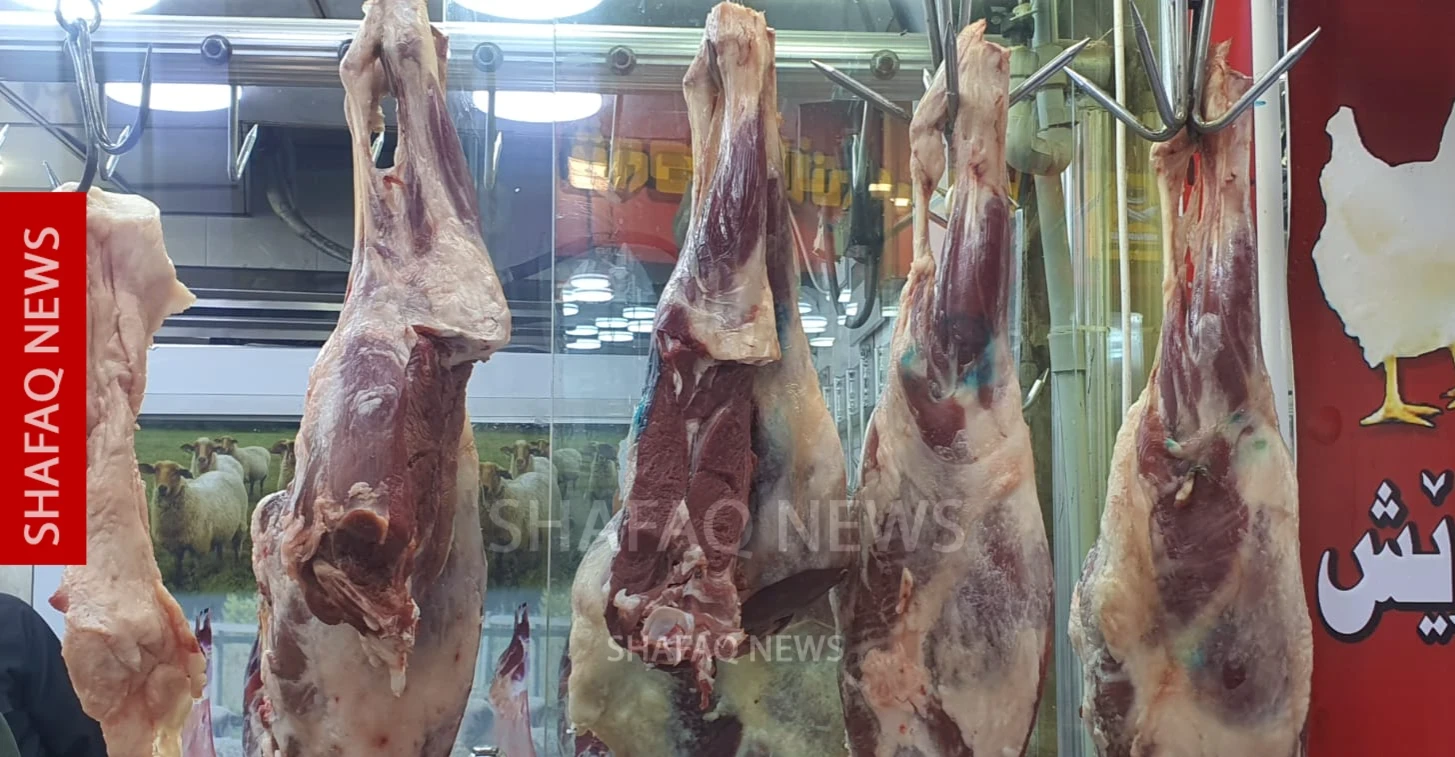
Butcher Yassin Bakr Mohammed attributed the increases to restrictions on livestock entering the Kurdistan Region, higher taxes and customs fees, and difficulties importing animals from outside the region.
Regional conflicts and political tensions have further disrupted livestock trade routes and supply chains, he said, adding that reduced slaughtering activity has sharply affected daily wage workers employed in butcher shops. “Why are there no solutions to ease the burden on citizens and traders?” he asked.
While meat sales have slowed, sweets and chocolates linked to Al-Sulaymaniyah’s hospitality culture are performing relatively better.
Omar Mohammed, who owns a sweets shop in the city, said imported chocolates served with coffee during family gatherings and Eid visits have seen stronger demand this season.
Markets currently offer between 50 and 60 varieties imported from Turkiye, Russia, and Ukraine, with prices ranging from 10,000 ($6.53) to 22,000 ($14.35) dinars per kilogram depending on quality and brand.
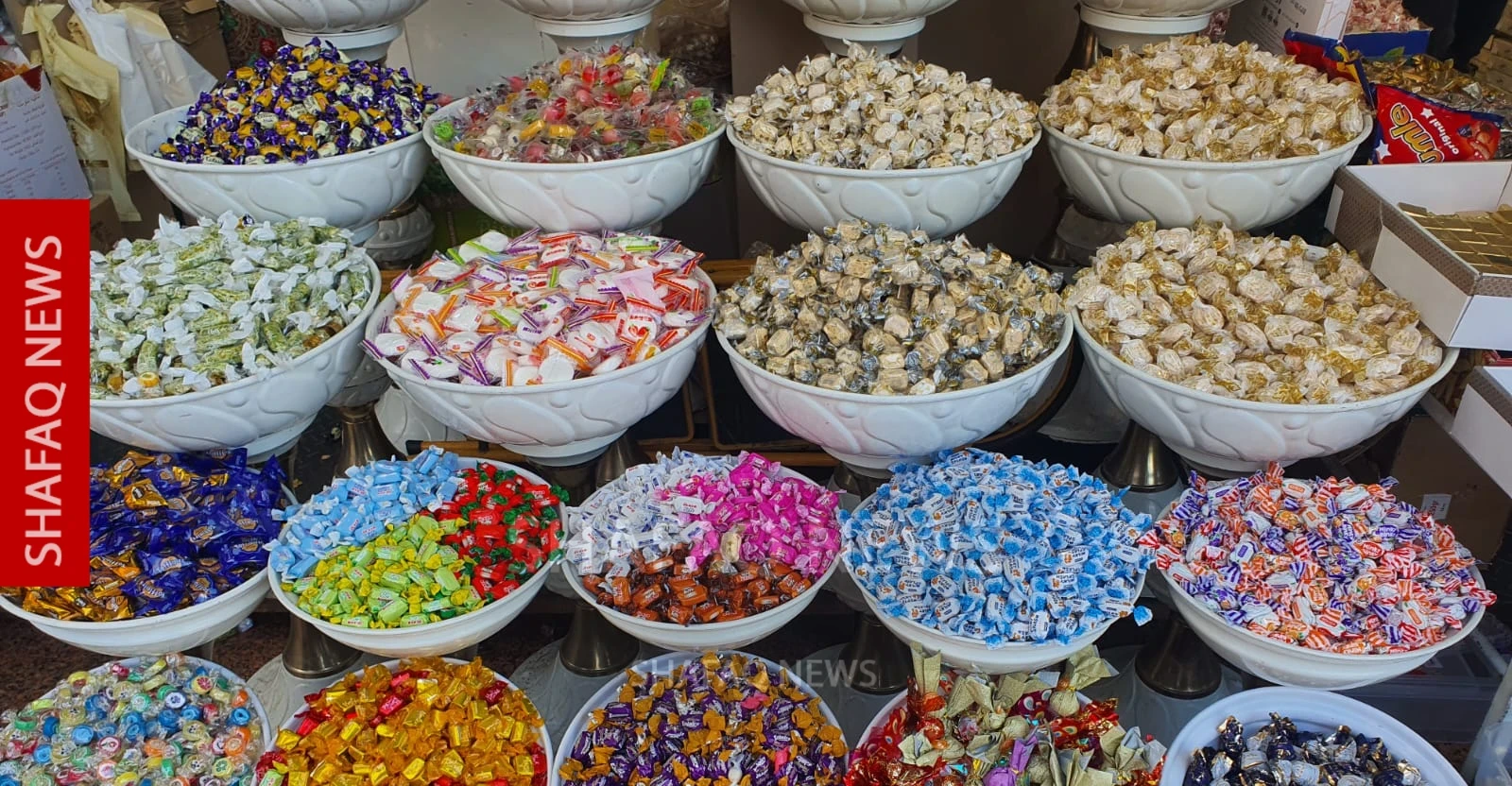
Arab tourists visiting Al-Sulaymaniyah have also helped sustain demand for confectionery products closely associated with local hospitality traditions.
Source: Shafaq News