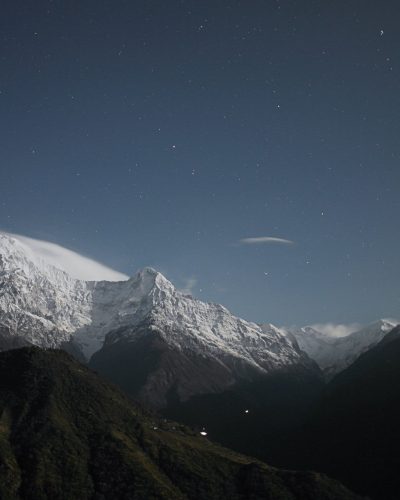

The destruction of nature is growing day by day. Kurdistan is one of the regions most affected. The ecological destruction carried out by the state’s security-focused policies includes dams, hydroelectric power plants (HEPPs), thermal power plants, military outposts, watchtowers, mining, and forest fires. This situation has seriously affected the region’s ecological, economic, and social fabric, and continues to do so. These projects are not only about using natural resources but are also implemented as part of a special war policy against the Kurdish people.
Speaking to ANF about the damage caused by the destruction of nature in Kurdistan, ecology activist Zeki Kanay said: “Wild capitalism has become dominant worldwide in recent years, and the special war tactics being used have tightened their grip on this region. Wars have always targeted this land because it is fertile. People living here used to grow enough produce through agriculture to support themselves.
Today, the villages of the people in this region have been emptied. There has been a major effort to depopulate this land. When a dam or a HEPP is built, it’s not just the villagers who are displaced; the entire ecosystem of all living things there is destroyed. The ties that people have with the land, rocks, and trees—where they have settled and created memories for thousands of years—are being severed. They want to erase this memory.
Another reason for the plundering is their desire to commodify water. They also want to divide and separate this land. By building water barriers between different regions and settlements, they are trying to isolate people from one another and cut off communication.
Most importantly, none of this is really about electricity production. There is hardly a part of the Tigris River left without a HEPP. A dam was recently planned in the Sarim Basin but has been temporarily halted by a court decision. Still, the threat of dams continues in our region.”
With mineral exploration, the destruction has taken on a new dimension
Kanay said that with mineral exploration, environmental destruction in Kurdistan has reached a new level: “The plunder of nature in the geography of Kurdistan through dams and HEPP projects is nearing its end. But now we face even greater dangers. Environmental destruction has moved to a new stage, especially because of oil and mineral exploration.
As a result of these explorations, dozens of villages are now under threat. Land is being seized without the consent of the villagers and handed over to companies. The people are resisting this, but the companies have become almost like states. In Turkey and in Kurdistan, mining operations are carried out brutally, with no respect for either nature or people.”
Organizing is important
Highlighting the importance of organizing against environmental destruction, Kanay said: “The people of Kurdistan once earned their living through agriculture and livestock. Around 3,000 villages were evacuated in the 1990s, and rural areas were almost completely wiped out. But because of the recent economic crisis, people have started returning to the villages. This return has revived rural life. Now, they want to suppress this revival and displace villagers once again.
We must express our reaction to this at all times and in all places. Civil society organizations in particular, but also everyone else, need to unite under a common structure, organize, and stand up against this destruction of nature.”
Source: ANF News