
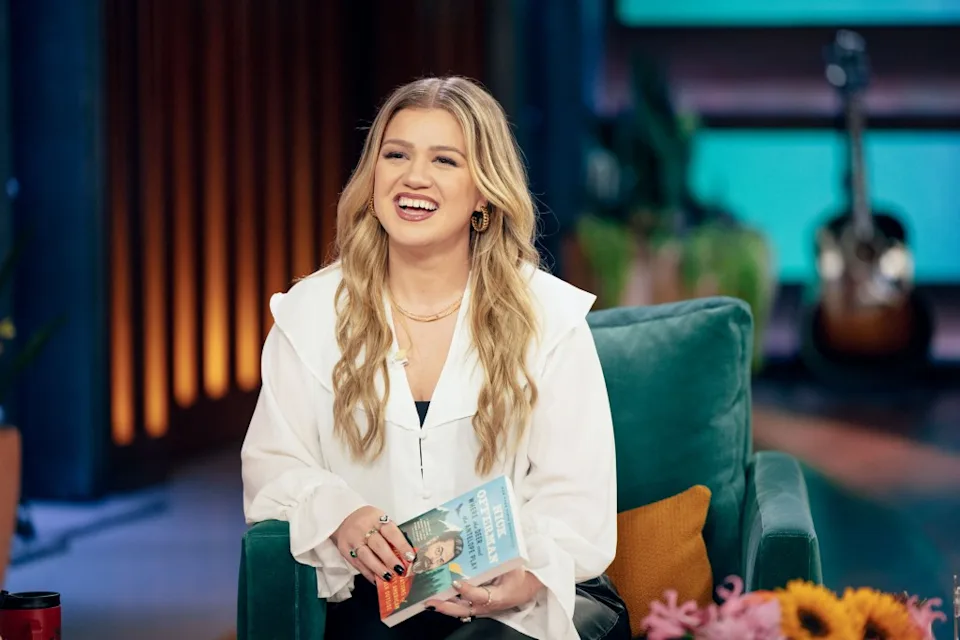
Kelly Clarkson has spoken out about an alleged uncomfortable shopping experience at a Brooklyn boutique, claiming that an employee made her feel as though she could not afford the merchandise she had travelled to see. The Grammy-winning singer compared the encounter to one of the most memorable scenes from the 1990 romantic comedy Pretty Woman, turning an ordinary shopping trip into a public discussion about customer service, appearances and the assumptions people can face in retail spaces.
In a post shared on X on Saturday, October 10, Clarkson described making a special journey to a store she had been eager to visit, only to leave disappointed by the interaction. Rather than keeping the experience private, the former American Idol winner named the establishment and explained why she believed the encounter had cost the business a potentially substantial sale.
The incident, reported by Nicola Conville for HELLO!, quickly attracted attention from fans, many of whom expressed surprise that a celebrity of Clarkson’s stature could encounter what she described as dismissive treatment while shopping.
Kelly Clarkson recounts uncomfortable Brooklyn boutique visit
Clarkson began her account by explaining that she had driven to Brooklyn specifically to explore the shop, which had caught her attention because of its distinctive appeal and merchandise.
“Just drove all the way to Brooklyn to check out this store I thought looked really rad and had a few things in mind to buy,” the singer wrote on X, according to HELLO! reporter Nicola Conville.

The disappointment, Clarkson indicated, came when she began looking at the items she was interested in purchasing. She alleged that an employee appeared to assume she could not afford the merchandise and offered to find something “comparable” instead.
For Clarkson, the suggestion was not simply an unsuccessful attempt to assist a customer. As she described it, the interaction left her feeling that the employee had made a judgment about her purchasing power rather than allowing her to decide what she wanted to buy.
Her response was pointed. “Wow, dude. You’re an idiot and just lost a huge sale,” she wrote.
Clarkson subsequently identified the business as Art of Play, sarcastically directing attention towards the store for anyone interested in experiencing similar treatment.
The account represents Clarkson’s description of the interaction. The available report does not include a response from Art of Play, so the employee’s perspective and the circumstances surrounding the exchange remain unconfirmed.
Nevertheless, the singer’s decision to speak publicly gave the incident a reach that an ordinary customer-service complaint might not have achieved. With a reported 8.8 million followers on X, Clarkson had a substantial audience for her account, and the reaction demonstrated how quickly a personal retail experience can become a wider conversation when shared by a public figure.
Why Kelly Clarkson compared the incident to Pretty Woman
The reference that gave Clarkson’s story its most recognisable cultural connection was Pretty Woman, the romantic comedy starring Julia Roberts and Richard Gere.
Released in 1990, the film follows Vivian Ward, played by Roberts, whose relationship with wealthy businessman Edward Lewis, played by Gere, brings her into unfamiliar social settings and the world of luxury shopping.

One of the movie’s most enduring sequences takes place in an upscale Beverly Hills boutique. Vivian encounters sales staff who refuse to give her proper service because of how she looks and the assumptions they make about her. After returning in a different outfit and carrying shopping bags from other stores, she confronts the saleswoman who had dismissed her.
Her memorable declaration, “Big mistake. Big. Huge,” has since become one of the film’s best-known lines.
Clarkson’s comparison drew on the same central tension: a customer who believes that an employee has made an unfair assumption about her ability to spend money.
The parallel is not exact. Pretty Woman is a scripted Hollywood story, while Clarkson was describing a real-life encounter from her own perspective. However, both situations centre on the uncomfortable distinction between how a customer presents themselves and how a salesperson believes they should be treated.
The reference also helped make Clarkson’s complaint immediately understandable to followers familiar with the film. Rather than describing the incident solely in terms of poor service, she connected it to a cultural touchstone about appearances, social assumptions and the consequences of judging customers prematurely.
The comparison should not be taken as confirmation that the employee intended to insult her. What is established by HELLO!’s account is that Clarkson interpreted the interaction as dismissive and felt sufficiently strongly about it to share her experience publicly.
Fans react to Clarkson’s account
The singer’s post prompted an immediate response from followers, several of whom questioned how the interaction could have happened.
One fan, surprised by the alleged encounter, wrote: “You mean to tell me the guy in the store didn’t know who Kelly Clarkson is?!”

Another suggested that Clarkson should have received a warmer welcome, commenting that they would have rolled out “the red carpet” if she had entered the store.
Other supporters praised her for speaking openly about the experience, while some reportedly responded by leaving negative reviews on the business’s Google listing.
That reaction illustrates how a celebrity’s account can extend beyond the original incident. A post about a single shopping trip can bring widespread visibility to a business, encourage other people to express their opinions and influence the public conversation surrounding customer service.
It also highlights a distinction between celebrity recognition and ordinary retail expectations. Some fans focused on the possibility that the employee had failed to recognise Clarkson, while others responded to the broader allegation that she had been judged on her apparent ability to pay.
The latter issue does not depend on whether a customer is famous. A shopper should generally be able to browse and make purchasing decisions without being made to feel that an employee has already decided what is financially within reach.
At the same time, the available reporting does not establish the employee’s intentions, whether Clarkson was recognised or whether the exchange involved additional details that were not included in her post.
For now, the public account remains centred on Clarkson’s description of what happened and the reaction that followed.
A wider conversation about assumptions in luxury retail
Clarkson’s experience also touches on a familiar challenge for businesses selling distinctive or expensive merchandise: balancing personalised customer service with the risk of making assumptions about the people who walk through the door.
Retail employees may attempt to guide shoppers towards products they believe suit their needs, preferences or budgets. However, when that guidance is based on an untested assumption about what someone can afford, an effort to assist can instead be perceived as patronising.

The distinction matters because customers ordinarily expect to decide for themselves which products interest them and what they are prepared to spend. Offering alternatives can be useful when requested, but doing so before understanding a shopper’s intentions may create an entirely different impression.
Clarkson’s complaint, as described in her post, reflects that tension. She arrived with particular items in mind and expected to explore the merchandise. She alleged that the employee instead offered a comparable option in a way that suggested she could not afford what she wanted.
Whether that impression was intended or accidental cannot be determined from the published account. Still, the episode demonstrates why the language and tone used during a sales interaction can matter as much as the products themselves.
For independent boutiques, an incident that receives widespread attention can also become a reputational challenge. A named business may find itself discussed by people who have never visited, particularly when a prominent customer shares a negative experience with a large audience.
That does not automatically establish a pattern of poor service or confirm every allegation made in a viral post. It does, however, show the potential consequences of a customer feeling dismissed and choosing to make the experience public.
In Clarkson’s case, the Pretty Woman comparison gave the complaint an additional layer of meaning. The film’s familiar storyline made the alleged encounter easy for audiences to recognise, while the singer’s direct response underscored her frustration at feeling that a sale had been lost before she could make her intended purchases.
Kelly Clarkson’s life and career beyond the shopping incident
The Brooklyn encounter comes during a period of change in Clarkson’s professional and personal life.
According to HELLO!, the singer relocated from Los Angeles to New York City with her two children, River Rose, 12, and Remington Alexander, 10, in 2023. The move placed her and her family in a different city environment, with New York becoming an important part of their day-to-day lives.
Clarkson first became a household name after winning the inaugural season of American Idol in 2002. She subsequently established herself as a recording artist, with hits including “Since U Been Gone,” and built a television career that expanded her public profile beyond music.
Her daytime programme, The Kelly Clarkson Show, became another major chapter in that career. The show combined celebrity interviews, musical performances and conversations with guests, making Clarkson a familiar presence on American television.
Earlier in 2026, she announced that she would step away from the programme after seven seasons. HELLO! reported that her decision followed the death of her former husband, Brandon Blackstock, who died of cancer in August 2025.
Clarkson explained that she wanted to prioritise spending time with her children following the loss of their father. Her departure from the daytime programme therefore marked a significant professional change alongside a deeply personal family consideration.
However, leaving the talk show has not meant withdrawing entirely from television.
The singer is appearing as a coach on the 30th season of The Voice, alongside Adam Levine, Queen Latifah and Riley Green. Her continued involvement in the singing competition allows her to remain connected to a format closely associated with her experience as both a performer and a television personality.
These developments provide context for the current chapter of Clarkson’s life, although there is no indication that her professional changes or family circumstances were connected to the Brooklyn shopping incident.
A public complaint with a familiar cultural reference
Celebrity complaints about everyday experiences often attract attention because they place recognisable public figures in situations that audiences encounter themselves. Shopping, dining and customer service are ordinary parts of life, but the dynamics can become more complicated when a customer believes they have been judged before being given a fair opportunity.
Clarkson’s account resonated with fans in part because the alleged slight was relatively straightforward to understand. She said she had travelled to a store with the intention of buying items and left feeling that an employee had underestimated her ability to afford them.
Her reference to Pretty Woman supplied a memorable shorthand for that frustration. The film has remained part of popular culture for decades, and its boutique scene continues to be associated with the consequences of judging someone by their appearance.
The comparison also gave Clarkson’s post a sharper edge than a conventional complaint about service. By invoking Vivian Ward’s story, she placed the alleged interaction within a familiar narrative about assumptions, dignity and the customer’s ability to decide what they want.
Still, the full circumstances of the exchange have not been independently established in the reporting available. Art of Play’s response was not included in HELLO!’s account, and Clarkson’s description should remain attributed to her rather than treated as a complete account from both sides.
What is clear is that the singer was unhappy enough with the experience to name the store publicly, and her followers quickly joined the discussion.
For businesses, the episode serves as a reminder of how a brief interaction can shape a customer’s overall impression. For audiences, it offers a real-world point of comparison with one of cinema’s most recognisable retail scenes.
And for Clarkson, the message she chose to share was direct: she had made the journey intending to shop, believed she had been underestimated and felt the store had lost the opportunity to make a sale.
As the conversation continues, the central question is not whether Clarkson’s experience unfolded exactly like a Hollywood scene, but how quickly assumptions in a retail setting can turn a promising shopping trip into a disappointing one.
The post Kelly Clarkson’s ‘Pretty Woman’ Shopping Experience in Brooklyn Leaves Singer Furious appeared first on Owink.
Source: Owink