
Increasing drought and the ongoing economic crisis are taking a heavy toll on the Kurdish nomads who traditionally raise livestock. Many of them report that they can barely survive on their work. Despite hard physical labor, their income is no longer enough to cover their costs.
“Whether we give up this profession or not, we will go hungry,” say those affected. While they live with their herds on high mountain pastures in the summer, they struggle with rising feed costs, falling animal prices, and a lack of government support.
Tradition in crisis
With the onset of spring, nomadic families from various regions of Kurdistan move with their animals to higher summer camps. Living in tents with simple stoves and water from mountain springs, they try to survive until autumn. This traditional way of life is considered a centuries-old cultural form, but it is seriously threatened by economic hardship, climate change, and legal restrictions.
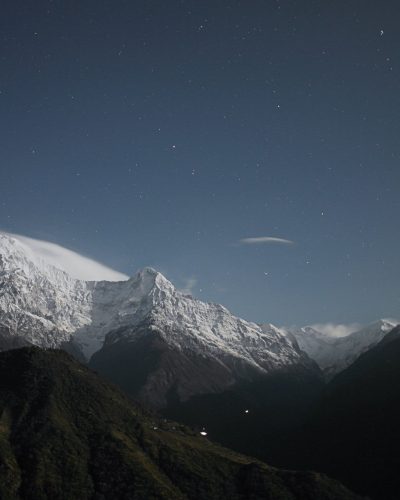
In the Kovancılar (Qowanciyan) in the province of Elazığ (Xarpêt), many families set off every summer for the mountainous landscapes of Bingöl (Çewlîg). They pitch their tents in remote valleys, far away from electricity and infrastructure. Everyday life is hard, especially for women.
Women bear the brunt
“We get up at five o’clock, milk the animals, bake bread, wash clothes by hand, and look after the children,” says Sema Polat, who lives with her family on the summer pastures. “There is no electricity, the roads are impassable. We have to do everything ourselves.”
The workload is enormous, but the earnings are minimal. Sick or elderly family members who suffer from the harsh conditions are particularly affected.
Drought and inflation exacerbate the situation
The prolonged drought has further dried out the pastures. Without sufficient rain, there is hardly any feed growing. Many nomads have to feed their livestock with purchased concentrated feed, which is a significant expense.
“In the past, feed was cheap and the animals had a market value. Today, it’s the other way around,” says Polat. “All the income goes to gasoline, feed, and shepherds. In the end, there’s nothing left. The importance of this profession is being lost.”
Legal and military restrictions also make migration difficult. Animals are no longer allowed to graze freely everywhere, and often have to be transported to higher areas by vehicle, which incurs additional costs.
“We have no other source of income”
Muhteber Uçuk, another nomadic woman, feels hopeless in the face of a lack of government support: “It doesn’t rain, the grass doesn’t grow. Feed is expensive, the animals are worthless. “Even if we wanted to give up this work, we would have no alternative,” she says. “Three months in the mountains, three months in the plains—but it’s not enough to make ends meet. We get no help and no recognition.”
The nomads feel abandoned by politicians. Although they preserve a centuries-old way of life, they are confronted with existential hardships and a future without prospects.
Source: ANF News