
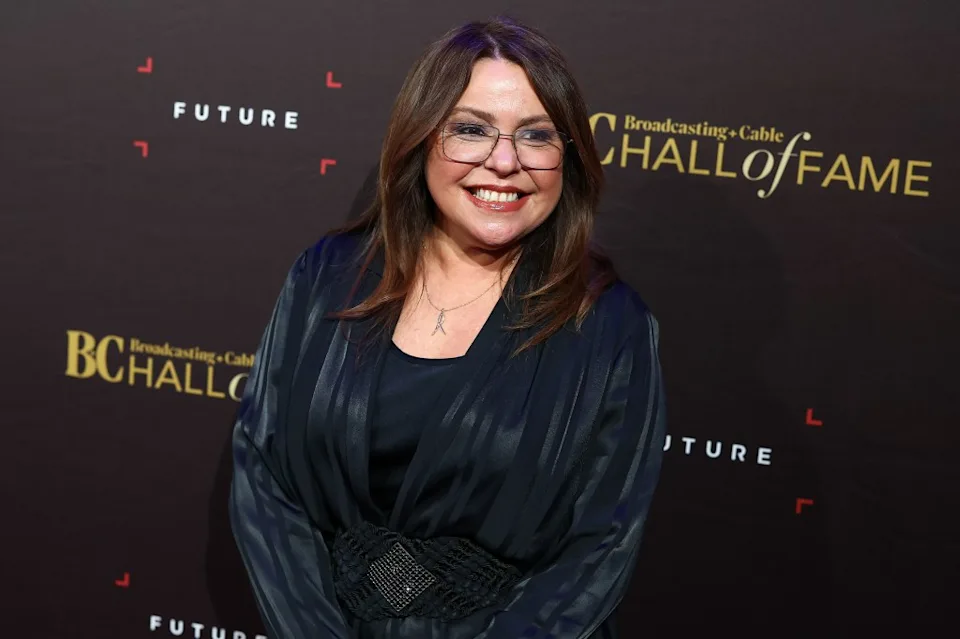
Celebrity chef Rachael Ray is offering a closer look at the everyday eating habits, homegrown vegetables and personal wellness priorities that have shaped her approach to health in recent years. The television personality, who has lost approximately 40 pounds, says she has been eating more vegetables than ever while embracing a colorful, produce-rich diet and paying attention to advice from her doctors.
In an interview with People, as reported by Faye James for HELLO!, the 58-year-old chef discussed her experience with menopause, her approach to nutrition and the role that fresh ingredients play in her daily routine. Rather than presenting wellness as a matter of strict rules or restrictive eating, Ray emphasized the value of variety, a balanced diet and maintaining a positive outlook on life.
Her comments offer a more personal perspective on the Rachael Ray weight loss transformation, which has attracted public attention in recent years. They also highlight a lifestyle that extends beyond the kitchen counter: Ray and her husband, John Cusimano, grow vegetables at home, make health-conscious food choices and incorporate everyday activities into their routines.
A Colorful Diet Built Around Fresh Vegetables
For Ray, one of the most important elements of her current approach to eating is the variety of vegetables on her plate. She told People that she was consuming more vegetables than ever, with much of the produce coming from the couple’s own garden.
Their homegrown selection is extensive. Ray explained that they maintain four garden beds in which they grow a range of vegetables, including squash, zucchini and eggplant. Having fresh produce readily available gives the couple a direct connection to the ingredients they use in their meals and reflects Ray’s longstanding interest in cooking with accessible, flavorful foods.

The chef’s emphasis on colorful ingredients is central to how she thinks about nutrition. In her view, eating a broad range of vegetables is a practical way to obtain important vitamins and nutrients through food rather than relying exclusively on supplements.
“You eat lots of color in your diet, which means you’re getting lots of the right vitamins without the need of supplements,” Ray told People. She added that she takes supplements herself, making clear that her comments about food do not mean she avoids them altogether.
The distinction matters because Ray’s message is not a claim that supplements are universally unnecessary. Instead, she is describing a personal approach that prioritizes a varied diet while leaving room for additional products as part of her routine.
For someone whose professional life has revolved around food, the emphasis on vegetables also fits naturally with her culinary background. Fresh ingredients can offer different textures, flavors and cooking possibilities, making healthy eating less about eliminating favorite foods and more about building meals around a wider selection of produce.
What Rachael Ray Says About Menopause
Ray’s interview also touched on menopause, a subject that has become an increasingly prominent part of conversations about women’s health and aging.
The chef told People that she had not experienced menopausal symptoms. She also noted that her older sister, who is 67, had not experienced them either.
“I have no menopausal signs of any kind,” Ray said, describing her experience as relatively straightforward. She added that she had generally found that aspect of life easy to navigate.

Her account is personal, however, and should not be interpreted as evidence that diet can prevent menopause symptoms or that other women can expect the same experience. Menopause varies considerably from person to person, and the absence of symptoms in one individual does not establish a universal pattern.
Ray was also clear that medical guidance remains part of her approach. She said she follows her doctors’ advice regarding hormone replacement and other recommendations relevant to her health.
“I take my doctor’s advice on hormone replacement or whatever my doctors advise me,” she explained, adding that she tries to eat as healthfully as possible.
That qualification provides important context for her comments about nutrition. Although Ray places considerable emphasis on fresh food, she does not suggest that vegetables alone replace medical care. Her remarks instead describe a combination of personal dietary habits and professional guidance.
For readers interested in women’s health, the distinction is particularly relevant. Menopause management is not one-size-fits-all, and decisions about hormone therapy or other treatments should be discussed with qualified healthcare professionals who can take individual circumstances into account.
The Mediterranean Diet and Her 40-Pound Weight Loss
Ray’s recent comments about vegetables connect with an approach to eating she has discussed publicly before: the Mediterranean diet.
The eating pattern generally emphasizes vegetables, fruit, legumes, nuts, whole grains and olive oil, alongside fish and other sources of protein. It is associated with an overall dietary pattern rather than a single ingredient or rigid set of meals.
Ray has previously spoken about the approach on Dr. Oz, highlighting its potential health benefits and the importance of incorporating a variety of vegetables into everyday meals.

“It lowers the risk of heart disease, and you can live longer,” she said of the diet. She also reiterated her preference for obtaining nutrients from a broad selection of vegetables, saying, “You don’t need a multivitamin, you need the rainbow of vegetables.”
Her comments reflect an emphasis on whole foods and dietary variety. The Mediterranean diet has been studied extensively, particularly in relation to cardiovascular health, although individual outcomes depend on a range of factors, including overall eating habits, activity levels, genetics and existing health conditions.
Ray has also highlighted affordable, nutrient-rich protein sources. She described eggs as an important option because they provide protein and other nutrients without necessarily carrying a high cost.
“Another important source of protein is eggs, because they are nutrient-rich and not expensive,” she said, before encouraging people to eat fresh fish and sardines, which provide beneficial fats.
These examples illustrate how the Mediterranean approach can be adapted to everyday cooking. Eggs can feature in breakfast or a simple evening meal, legumes can form the basis of soups and salads, and fish can provide an alternative to other protein sources. Vegetables, meanwhile, can be incorporated into a variety of dishes rather than treated as a separate obligation.
Ray’s reported 40-pound weight loss has made her eating habits a subject of public interest, but the available account does not establish that any single food, supplement or dietary change caused the entire transformation. Her comments provide insight into her preferences and routines, not a complete clinical explanation of her weight change.
That distinction is important when celebrity weight-loss stories are discussed. A person’s visible transformation rarely reveals every factor involved, and a public figure’s personal experience should not automatically be treated as a prescriptive plan for others.
Why Her Garden Has Become Part of the Story
The four garden beds Ray described offer a glimpse into how her approach to food extends beyond shopping and meal preparation.
Growing squash, zucchini, eggplant and other vegetables creates opportunities to cook with seasonal produce and experiment with different ingredients. For a chef, that can also mean greater flexibility when planning meals, as the available harvest can influence what appears on the table.

Home gardening does not guarantee a particular health outcome, and Ray has not attributed her weight loss solely to growing vegetables. Nevertheless, the practice complements her stated preference for eating a colorful, varied diet.
It also places the focus on a practical aspect of wellness: the food people routinely have available can shape the meals they prepare. Fresh produce may become a more natural part of everyday cooking when it is already growing close to home.
Ray’s remarks about her garden are consistent with her broader culinary identity. Her public career has centered on making cooking approachable, and her description of homegrown vegetables presents healthy eating as something that can be incorporated into ordinary household routines.
The emphasis is not on a complicated menu or an elaborate nutritional system. It is on having ingredients available, preparing meals regularly and finding ways to make food both enjoyable and nourishing.
John Cusimano’s Interest in Health and Supplements
Ray also discussed her husband of 21 years, John Cusimano, describing him as particularly enthusiastic about supplements and attentive to his health.
She characterized him as a “nut for supplements” and noted that he spends considerable time focusing on his well-being.
The observation offers a glimpse into the couple’s different areas of interest within their shared approach to health. Ray’s own comments place considerable emphasis on colorful meals and fresh produce, while her description of Cusimano suggests that supplements are a subject he follows closely.
However, Ray’s remarks do not establish which supplements Cusimano takes, whether he uses them under medical supervision or whether his routine has influenced her weight loss. Those details were not provided in the account of the interview.
Her own position is more nuanced than a simple endorsement or rejection of supplements. Although she encourages people to eat a varied diet, she acknowledges taking supplements herself and says she follows her doctors’ recommendations.
For readers, that distinction reinforces the importance of treating nutrition as an individual matter. Supplements can serve specific purposes in some circumstances, but the appropriate choices depend on a person’s needs, diet and medical advice.
Happiness, Purpose and the Everyday Habits That Matter to Ray
Beyond food, Ray connected well-being with emotional outlook and a sense of purpose.
“I think that that’s a big part to life,” she said, referring to eating a colorful diet and being happy. She also spoke about the value of trying to get up with purpose each day, suggesting that a positive outlook matters to both men and women.
Her comments broaden the discussion beyond weight loss alone. Rather than focusing exclusively on appearance or numbers on a scale, Ray presented health as something connected to daily routines, enjoyment and the way people approach their lives.
That perspective is consistent with the ordinary activities she has described elsewhere. In an episode of her podcast, I’ll Sleep When I’m Dead, Ray spoke about her enjoyment of household chores, cooking and planning meals.
“I’m a homemaker. I love chores. I love being in the kitchen. I always work with my brain every day. I’m always writing something,” she said.
She went on to describe activities such as preparing dinner, making lists and helping carry firewood. Her account suggested that she enjoys practical work around the home, including tasks that involve physical effort.
These activities are not a substitute for a structured exercise program when one is medically indicated, nor do Ray’s remarks establish how much physical activity she performs. They do, however, illustrate the variety of tasks she enjoys and the role that cooking and household routines play in her everyday life.
For Ray, the kitchen appears to remain an important part of both her professional identity and her personal routine. Meal planning and cooking are not simply subjects she discusses on television; they are activities she says she enjoys doing at home.
Past Health Concerns and Her Comments About Falls
Ray’s recent discussion of wellness comes against a backdrop of public concern about her health.
In September 2024, viewers expressed concern after she appeared to slur some of her words in a social media video. The reaction prompted questions from fans, although the appearance in the video did not establish a medical diagnosis or explain what viewers believed they had noticed.
A month later, Ray addressed another aspect of her health in comments about falls. Speaking on her podcast, I’ll Sleep When I’m Dead, she said she had experienced “a couple of bad falls in the last couple of weeks” and indicated that she had not been carrying firewood for a while.
Ray did not provide detailed information about the circumstances of those falls in the remarks cited by HELLO!. As a result, their cause, severity and relationship, if any, to other health concerns cannot be established from those comments.
The distinction between confirmed information and online speculation is important. Changes in a public figure’s appearance or speech can attract intense attention, but they do not provide sufficient evidence to determine someone’s medical condition.
Ray’s comments about her diet and menopause should therefore be considered separately from the questions raised by her earlier public appearances. Her description of her eating habits does not explain the falls, and there is no basis in the reported interview to link them to her weight loss.
What she has shared directly is more limited: she enjoys cooking and household work, she has experienced falls, and she follows her doctors’ advice regarding her health.
A Personal Approach Rather Than a Universal Weight-Loss Formula
Ray’s account offers an example of how a public conversation about weight loss can lead to a broader discussion of food, aging and personal well-being.
Her reported 40-pound transformation has attracted attention, but the details she chose to discuss center on familiar habits: eating a wide variety of vegetables, preparing meals at home, including foods such as eggs and fish, and following medical advice.
The Mediterranean diet provides a recognizable framework for many of those choices, while the couple’s vegetable garden makes fresh produce a visible part of their routine. Ray’s comments about happiness and purpose add another dimension to the way she thinks about health.
Still, there is an important limit to what can be concluded from her story. The reported interview does not provide a complete account of how she lost 40 pounds, including a detailed timeline, a full dietary record or an explanation of all the factors involved. It would therefore be misleading to suggest that her transformation can be replicated simply by following the same foods or habits.
A balanced diet can support general health, but individual nutritional needs differ. Similarly, menopause symptoms, weight changes and medical concerns require individualized consideration rather than assumptions based on another person’s experience.
Ray’s most consistent message is that she tries to eat healthfully, values variety in her meals and listens to her doctors. Her description of her life also suggests that she finds enjoyment in the everyday work of cooking, writing and caring for her home.
For a chef whose career has made food central to her public identity, those habits offer a natural way to talk about wellness without reducing it to a single number on the scale.
As interest in the Rachael Ray weight loss transformation continues, her latest comments provide a clearer picture of the eating philosophy she favors. Fresh vegetables, Mediterranean-style meals and attention to personal well-being are all part of the story, even if the precise reasons behind her weight change remain more complex than any single diet can explain.
The post Rachael Ray Reveals the Diet Behind Her 40-Lb Weight Loss Transformation appeared first on Owink.
Source: Owink