Eşme was once a village inhabited by Greeks and migrants, situated on the shore of Lake Sapanca, where Turkey’s Kocaeli and Sakarya provinces meet. Since 2008, it has been a neighborhood of Kartepe district.
Although its administrative status has changed, its main sources of livelihood have remained the same: agriculture, fruit growing, livestock farming and tourism.
Eşme is known in Turkey and beyond for its quinces, celebrated with a festival during harvest season. But the area also produces a wide variety of fruit, including plums, apples, pears and cherries.
COP31 and Climate Justice
27 October 2026
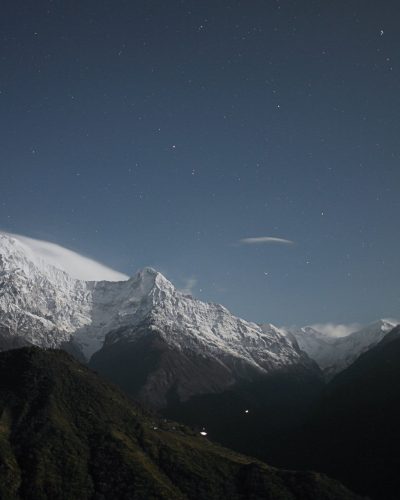
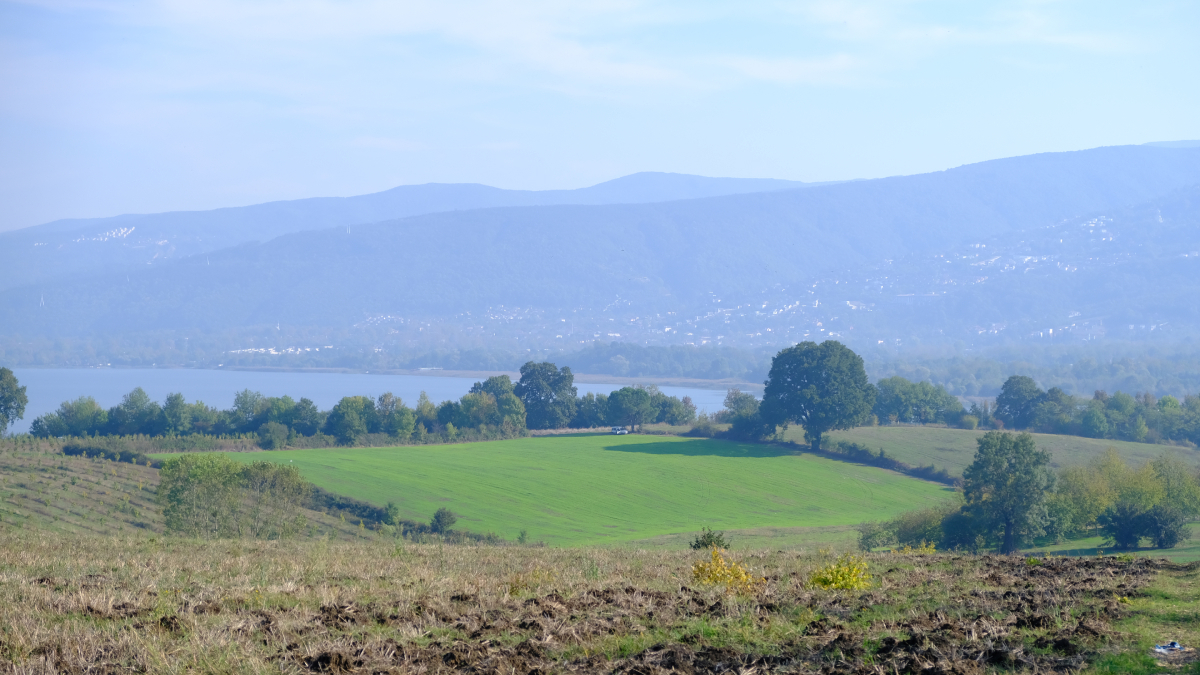
Its lakeshore is a popular tourist destination. The Samanlı Mountains and Kartepe peak rise behind the lake. On weekends, the seven-kilometer shoreline fills with visitors walking, relaxing beneath trees or dining at restaurants.
The area also offers opportunities for water skiing, rowing, swimming and birdwatching.
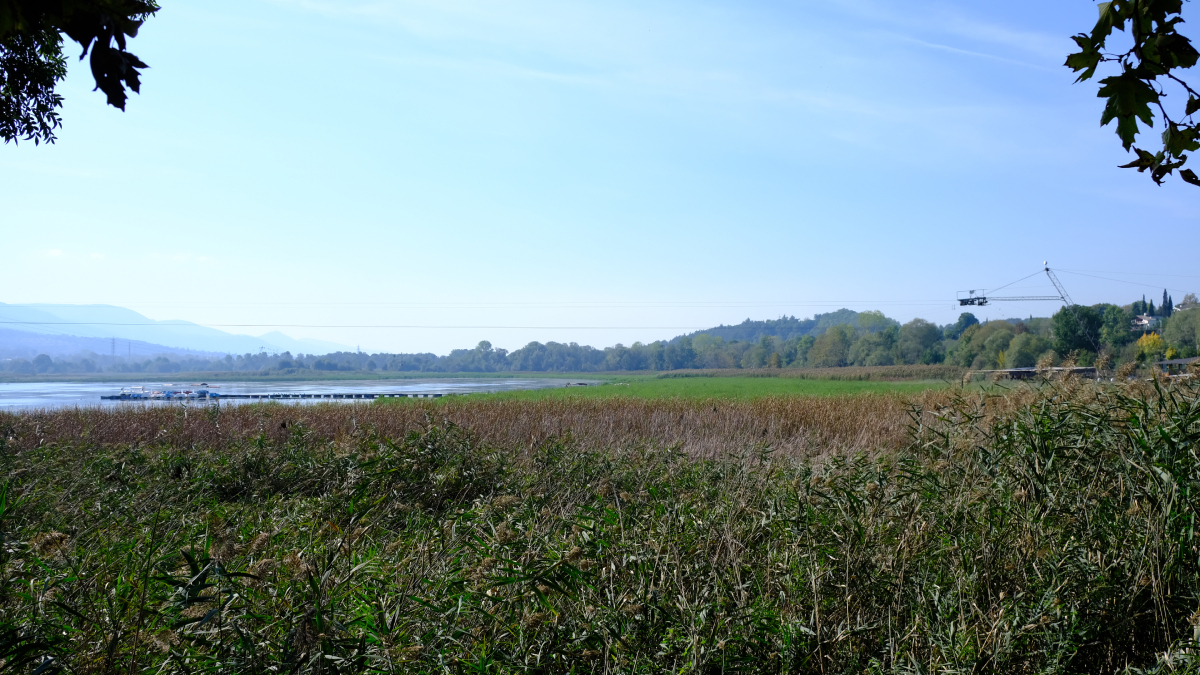
But the lake, along with everything that depends on it, is under threat. Its basin has struggled with drought for two years.
Last year, the lake’s water level reached its lowest point on record, falling below the critical threshold of 29 meters. Although rainfall has been relatively favorable this year, it has not restored Eşme to its former condition.
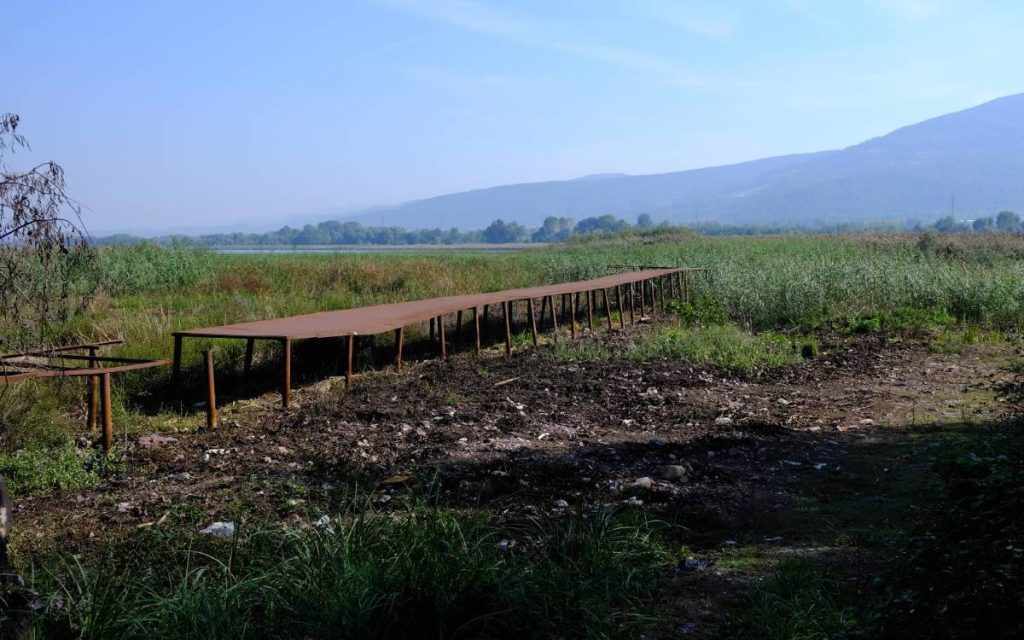
Docks now stand far from the water, boats have been left stranded on dry ground, and farmers arrive with tankers to collect water for their crops.
“Without the lake, there is no life”
It was early summer when Yaşar Hazar arrived at a pumping facility on Liman Dere Street, pulling a water tanker behind his tractor.
He had come to fill the tanker and irrigate corn he was growing in a field between the İzmit-Adapazarı road and the lake.
He switched on the pump, and water began flowing through pipes extending into the lake and into his tanker.
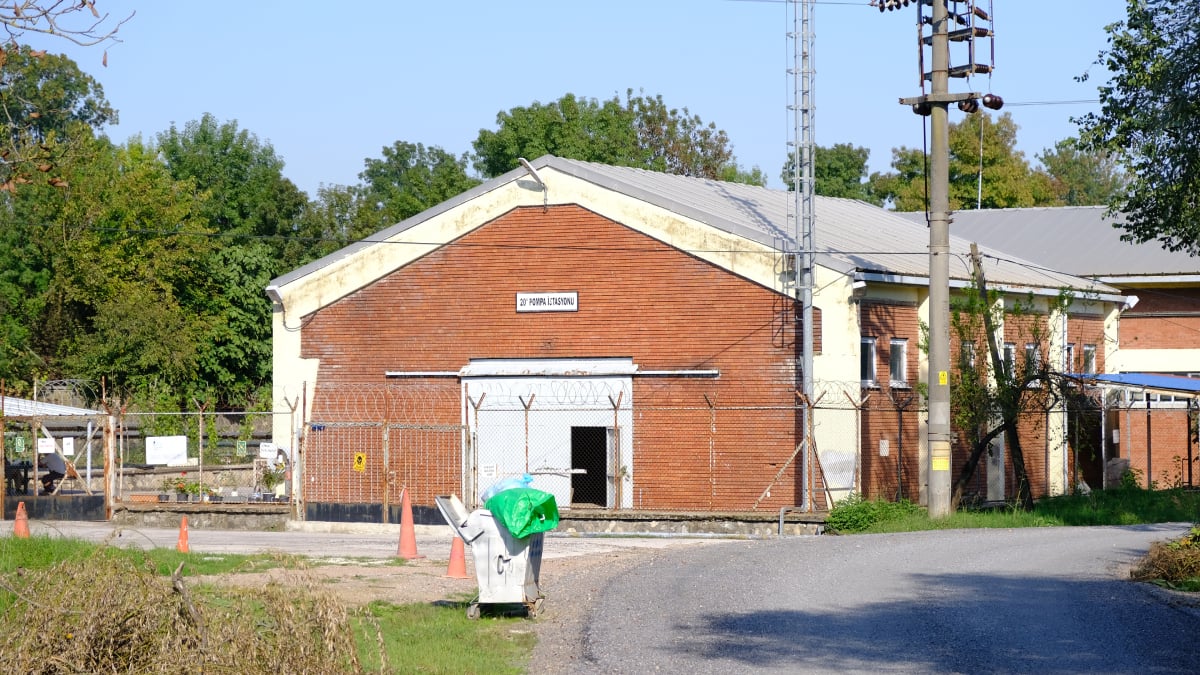
The facility, where the municipality pumps lake water for agricultural use, is an important resource for farmers in Eşme.
“I’m not actually a farmer. I raise livestock,” Hazar explained.
I grow silage corn for my own animals. Corn needs a lot of water. Depending on soil moisture, it needs irrigation every four to 10 days. If the summer is dry, I have to water it every four to six days to get a good yield.
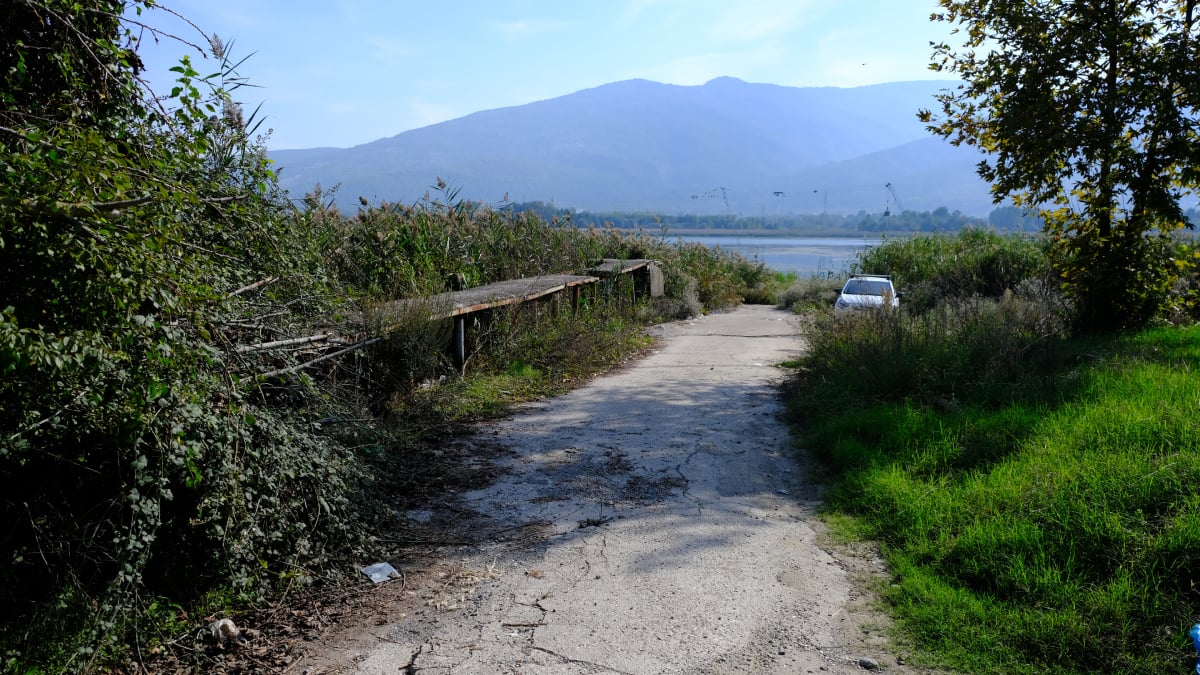
Reeds along the roadside obscure the lake from where we are standing. But the view on the way down from the main road, despite its beauty, is also a source of concern.
“The water has been receding for two years,” Hazar said.
Normally, the area right where we’re standing, among the reeds, should be full of water. This used to be a breeding ground for fish.
Now the water is at least 15 to 20 meters away. It’s worse elsewhere. In some places, the water has retreated by as much as 100 meters.
Pointing to an area farther along the shore, he recalled how people once gathered there to fish or set up chairs over the water.
Now there’s nobody. If the water drops much further, even the pumps won’t be able to reach it, and they’ll stop working.
The irrigation facility faces precisely that risk. Its pipes extend only a short distance into the lake. If the water retreats beyond their reach, farmers will no longer be able to draw water from the site.
Summer is when farmers need water most, making drought a particularly serious threat to agricultural production.
For Hazar, however, the lake’s survival is about much more than this year’s harvest.
Everyone hopes the lake will recover. We’ve had droughts before, but they were always temporary. This is the first time I’ve seen anything this bad. The water has never receded so much.
I don’t know what we’ll do if the lake disappears. Farming will probably end here. But everyone makes their living from the lake. Without the lake, there is no life here.
The receding shoreline is therefore more than a change in the landscape. If water levels continue to decline, agriculture, tourism and other parts of the local economy could face growing difficulties.
Fed largely by underground sources
According to a 2021 study by Sakarya University associate professors Muhammet Kaçmaz and Mehmet Fatih Döker, 15 streams feed Lake Sapanca. Sakarya Metropolitan Municipality puts the number at 11.
In their study, titled “Land Use and Spatial Change in the Lake Sapanca Basin,” the researchers noted that stream flows are stronger in winter and weaken during summer.
“The flow rates of the streams feeding the lake are very low, and some dry up during the summer months. The lake is fed mainly from below,” they wrote.
Eşme’s name itself reflects this characteristic, referring to a spring emerging along the shore. Bubbles rising from underwater springs can even be seen while swimming in the lake.
But these sources are also threatened by the climate crisis, changing rainfall patterns, drought and excessive water consumption.
Across the lake from Eşme, Sapanca’s shoreline is home to numerous water-bottling facilities.
At one point, 16 water-bottling plants operated in the small district. Today, eight remain in operation, while two additional companies have municipal permits to bottle water.
These permits cover more than one source each. The municipality has leased a total of 33 water sources to the 10 companies.
The extraction of water from these sources adds to concerns about the lake’s future.
“The issue is how much water we take from the lake”
Hayriye Demiralp of the Kartepe Environment and Life Platform argues that falling water levels cannot be explained by drought alone.
The central issue, she says, is the growing pressure from water extraction and other activities affecting the lake and its sources.
Lake Sapanca supplies drinking water to much of Sakarya and Kocaeli. Oil refiner TÜPRAŞ also draws freshwater from the lake for its refining operations.
Water-bottling plants have permits to extract a combined 43.77 liters per second, equivalent to approximately 1.4 billion liters annually.
“Sapanca is not treated as an ecosystem,” Demiralp said.
On the contrary, it is seen as a ‘water reservoir’ that the two surrounding cities and industry can use.
She welcomed the rise in water levels following rainfall in October but cautioned against interpreting the increase as evidence that the crisis was over.
“Last winter, Sapanca reached its lowest level in history. It came within less than half a meter of the 28-meter threshold, which we call ecological destruction,” she said.
The issue here is not just the lack of rain. It’s how much water we take from the lake and how we protect its basin.
Demiralp emphasized that the lake serves a large population as well as industrial facilities.
Two cities, with populations numbering in the millions, meet their water needs here. Factories use this lake’s water. Water-bottling companies sell Sapanca’s water everywhere, from Europe to the Middle East and Africa.
She also pointed to rapid urbanization and construction in Sapanca and Kartepe.
Add the excessive urbanization and concrete development in Sapanca and Kartepe. Every intervention in the forests, streambeds and slopes of these two districts takes away from Sapanca’s lifespan.
The basin Demiralp refers to is home to approximately 30 percent of Turkey’s population. Areas surrounding the lake have first- and third-degree protected-area designations, yet construction and population growth continue.
Sapanca is particularly important to Kocaeli during dry summer periods because it serves as an alternative water source.
Water from the lake is even pumped into the Yuvacık Dam, whose construction has been controversial.
According to the 2025 activity report of Kocaeli’s water and sewerage authority, İSU, the lake helped the municipality maintain its water supply during that year’s drought.
In 2024, Kocaeli alone extracted more than 38 million cubic meters from the lake, despite having an allocation of 30 million cubic meters.
Demiralp also raised concerns about a proposed steel rolling mill in Kartepe.
Yıldız Demir Çelik, a subsidiary of Yıldızlar Investment Holding, wants to build the facility in the area. The project has been described as potentially the largest of its kind in the Marmara region.
“While we argue that new construction and polluting investments should not be allowed for the future of the basin, a massive project like a rolling mill is now on the agenda,” Demiralp said.
According to the project’s environmental impact assessment report, the facility would require 9,836 cubic meters of water per day, or approximately 3.5 million cubic meters annually.
“At a time when Sapanca’s water is becoming more valuable every day, when we should be doing more to protect it, local people now have to struggle to prevent this facility from being built,” she said.
We say there is drought, we say we are experiencing a climate crisis. But instead of protecting what we have, we are putting even more strain on it.
“We need measures targeting demand, not supply”
Mahnaz Gümrükçüoğlu Yiğit, an associate professor and climate scientist at Sakarya University, draws attention to the role of the climate crisis.
She says the basin is experiencing a drought trend that is becoming increasingly severe.
“The basin’s rainfall cycle is changing. Of course, the climate crisis is the most important reason for this,” she said.
Rainfall is decreasing, and there is snow drought. When it rains, the rainfall is more intense. Heavy rain falling over a short period runs off the surface instead of infiltrating the soil.
It causes streams to overflow but flows away without replenishing underground reserves. So even when it rains, groundwater is not replenished to the same extent.
Official data supports her assessment of changing rainfall patterns.
According to the Agriculture and Forestry Ministry, the lake received an average of 124 million cubic meters of water annually through rainfall and streams over the past decade.
Over the most recent year, that amount fell to 89 million cubic meters.
Meanwhile, 161 million cubic meters left the lake through drinking and utility water use, industrial consumption, discharge through spillways and evaporation.
Annual average rainfall in the basin was 806 millimeters between 1991 and 2020. In 2025, it fell below 600 millimeters, a decline of approximately 25 percent.
Authorities now expect annual precipitation to decrease by more than 5 percent and average temperatures to rise by 3.8 degrees Celsius.
Gümrükçüoğlu Yiğit says urgent action is necessary, beginning with restrictions on human water consumption.
“The economic structure of Sapanca and its surroundings has changed over the years. Industry has expanded, urbanization has increased, and so has the population using the lake,” she said.
A significant proportion of agricultural land has shifted toward tourism and services. Water demand has grown.
She warned that the threat would persist unless consumption was reduced.
As long as this increase continues, and no savings are made in water use or reductions in demand, the danger will remain.
The academic does not consider diverting water from other sources into the lake or developing new drinking water supplies sufficient solutions on their own.
Instead, she argues that water management must account for the changing characteristics of rainfall.
“Fundamentally, we need measures targeting demand rather than supply,” she said.
The discussion constantly shifts toward bringing new water sources into use. Yet steps such as reducing water losses and leaks, creating urban landscapes that consume less water, and using water more efficiently everywhere from homes to public facilities are not given equal attention.
She says conservation and more efficient use of existing resources must become central to water policy.
Unless we implement such measures, measures aimed at conservation and using less water more efficiently, we’ll keep talking about how the lake ‘fell a little, rose two centimeters, dropped 10 centimeters.’
Gümrükçüoğlu Yiğit also warned that the lake’s inability to replenish itself would have consequences beyond falling water levels.
Over the long term, the failure of water layers to renew, deterioration of the ecosystem and declining water quality could threaten the lake’s usability even before it dried up completely.
Despite these concerns, she remains hopeful about Sapanca’s future.
She emphasizes that lakes are living ecosystems capable of recovering if human pressures are reduced.
“If you eliminate human mistakes, Sapanca can certainly recover,” she said.
Lakes are living ecosystems. If you allow a lake to regenerate itself, it can return to its former state. It can renew itself.
This article was produced with financial support from the Heinrich Böll Stiftung Turkey Office. The article is the sole responsibility of the IPS Communication Foundation/bianet and does not reflect the views of the Heinrich Böll Stiftung.
(HA)
Source: BIANET